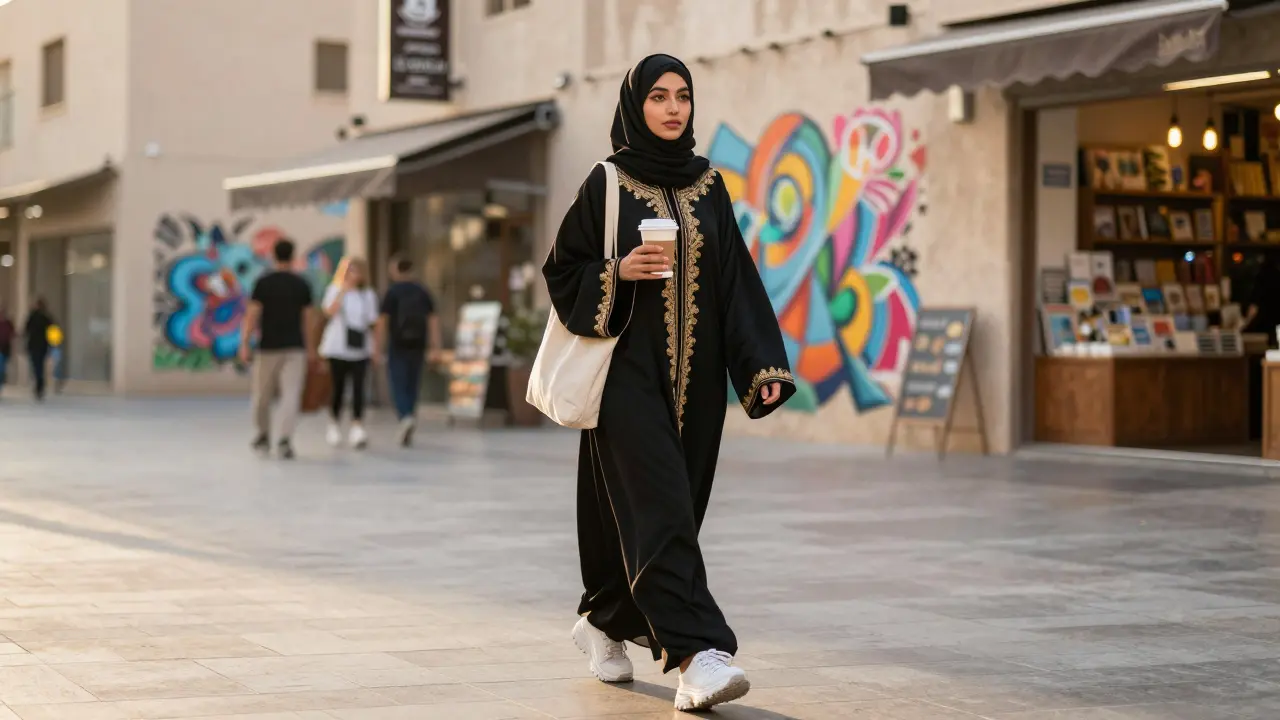
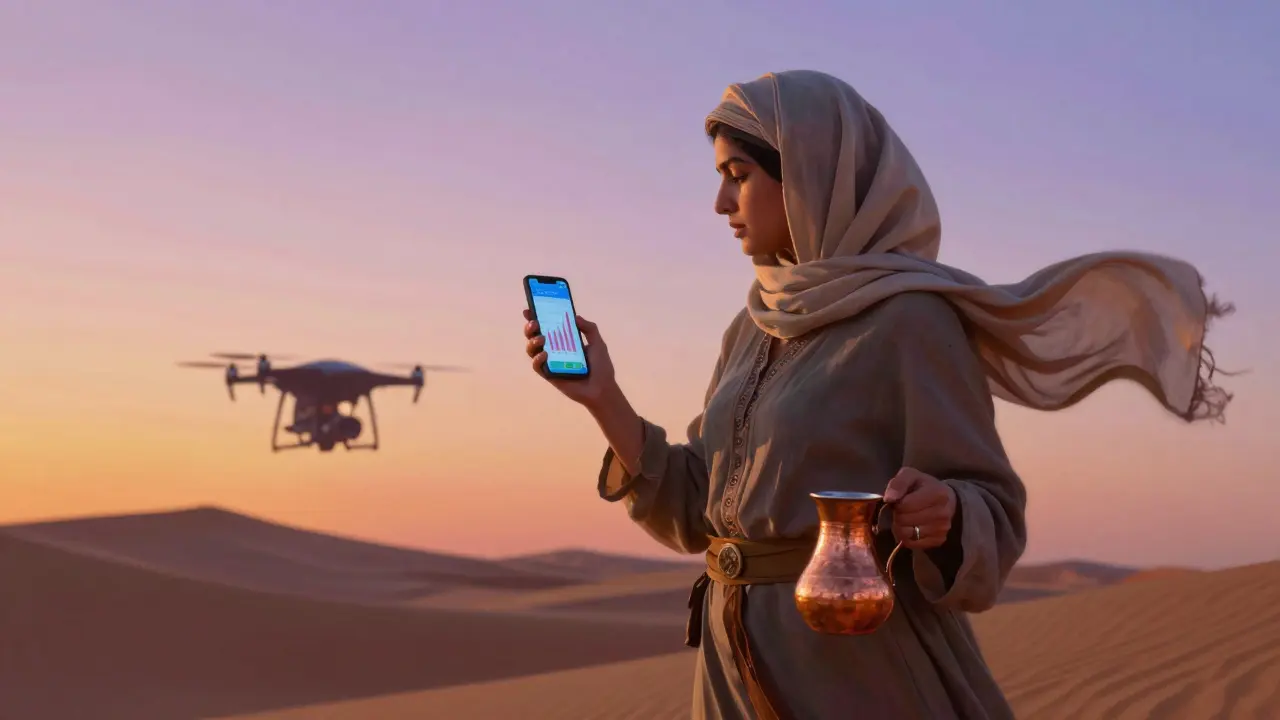
You’ve seen them. Walking through the Mall of the Emirates in designer abayas with sneakers peeking out. Sitting in a rooftop café in Downtown Dubai, sipping matcha lattes while scrolling on their phones. Laughing loudly in the desert at sunset, hair flowing free under a stylish headscarf. These aren’t models. They’re just Dubai girls-ordinary women living extraordinary lives in one of the world’s most dynamic cities.
It’s not about how they dress. It’s not about how much they spend. It’s about the quiet confidence they carry. The way they move through spaces-sometimes modest, sometimes bold, always on their own terms. That’s what turns heads. Not because they’re trying to impress, but because they’ve figured out how to be themselves in a place that never stops changing.
What Makes Dubai Girls Stand Out?
Dubai isn’t just a city. It’s a collision of cultures, traditions, and futures. And the women here? They’re the ones holding it all together.
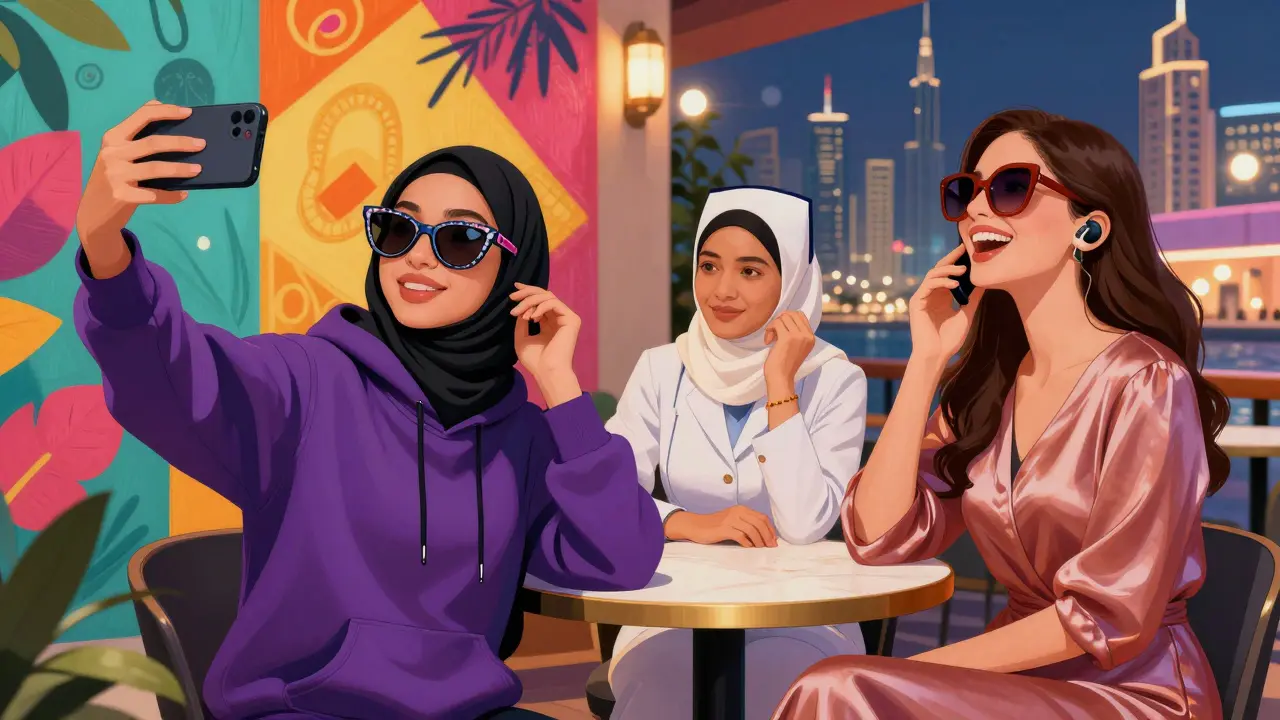
Walk into any high-end mall, and you’ll see a 22-year-old Emirati student in a tailored black abaya paired with chunky white sneakers, her phone case glowing with neon pink LEDs. Next to her, a Filipino nurse in a crisp hijab and tailored blazer waits for the metro. Across the way, a Russian expat in a silk dress and oversized sunglasses chats on her Bluetooth earpiece. No two look alike. No two live alike. But they all share one thing: agency.
In Dubai, being a woman doesn’t mean fitting into one box. It means choosing your box-or building your own. The city gives you the space to do that. You can wear a headscarf and run a tech startup. You can wear shorts and work in a government office. You can be a mother, a DJ, a marine biologist, or all three.
The Real Story Behind the ‘Look’
People assume Dubai girls are all about luxury. And yes, there’s designer everything. But the real story? It’s about balance.
Many Emirati women wear the abaya-but not because they’re forced to. Most choose it. Some wear it with gold embroidery and custom-fit cuts. Others throw on a bomber jacket and call it a day. The abaya isn’t a cage. It’s a canvas. And the women who wear it are the artists.
Outside the traditional, expat women bring their own flavor. Indian women in bright sarees at Diwali parties. Ukrainian women in leather jackets at Dubai Marina bars. Brazilian women in bikinis at private beach clubs. And then there are the mixed-heritage girls-Emirati mothers with British fathers, Pakistani sisters raised in Toronto-who blend languages, styles, and identities without apology.
It’s not about following trends. It’s about curating identity. Every outfit tells a story: where you’re from, where you’re going, and who you’re becoming.
How Dubai’s Culture Shapes Their Confidence
Dubai doesn’t ask women to choose between tradition and modernity. It lets them hold both.
Take education. Over 70% of university graduates in the UAE are women. Many study engineering, AI, or space science. One Emirati woman just became the first female astronaut from the Gulf. Another runs a drone delivery startup in Al Quoz. They don’t wait for permission. They build the future they want.
And it’s not just about careers. Women here are reshaping social norms. They host underground art shows in their homes. They start podcasts about mental health in Arabic. They run fitness bootcamps in the desert at 6 a.m. They say no to arranged marriages. They open coffee shops named after their grandmothers.
The city doesn’t force change-it creates room for it. And the women? They walk through that room like they own it.
Where to See Dubai Girls in Their Element
If you want to see how Dubai girls live-not just how they look-go where they actually spend their time.
- Alserkal Avenue - Art studios, indie bookshops, and vegan cafes. This is where young creatives gather. You’ll spot girls sketching in notebooks, debating philosophy over cold brew, or filming TikToks about Emirati poetry.
- City Walk - A mix of luxury and local. Watch a group of Emirati teens in matching hoodies and designer sunglasses take selfies in front of a mural. They’re not trying to be influencers. They’re just having fun.
- Deira Spice Souk - Early mornings. Women in abayas haggling for saffron with the same intensity as any businessman. They know prices. They know quality. They don’t need help.
- Al Fahidi Historical Neighbourhood - Older women in traditional dress teaching younger ones how to make luqaimat. It’s not performance. It’s legacy.
- Dubai Design District (d3) - Fashion students, photographers, and entrepreneurs. You’ll find girls in oversized blazers and cargo pants pitching their clothing lines to investors. No one blinks. It’s normal here.
There’s no single ‘Dubai girl’ look. But if you watch long enough, you’ll notice a pattern: they’re never waiting for someone to notice them. They’re already busy being seen.
What They Don’t Want You to Know
Here’s the truth no one talks about: most Dubai girls are exhausted.
They’re juggling family expectations, career pressure, social media personas, and cultural codes. They get up at 5 a.m. to meditate before work. They skip meals to fit into their wedding dresses. They delete Instagram apps after being tagged in photos they didn’t like. They cry in their cars after long Zoom calls with parents who don’t understand their jobs.
But they never show it. Not because they’re fake. Because they’ve learned: strength in Dubai isn’t loud. It’s quiet. It’s showing up. Again. And again.
They don’t need your approval. They don’t need your praise. They just need space-and they’ve already taken it.
Dubai Girls vs. Other Global Cities
How are Dubai girls different from women in New York, Paris, or Tokyo?
| Aspect | Dubai Girls | New York Women | Tokyo Women |
|---|---|---|---|
| Style Expression | Blends tradition with global trends; modesty is a choice | Fast fashion, streetwear, maximalist individualism | Minimalist, curated, subtle details |
| Work-Life Balance | High pressure but flexible; many run side businesses | Long hours, burnout common, gig economy prevalent | Strong work ethic, but quiet resistance to overtime |
| Social Freedom | Varies by background; many have full autonomy | High freedom, but societal judgment still exists | Constrained by social norms, especially around dating |
| Public Presence | High visibility in professional, creative, and public spaces | High visibility, but often tokenized | More reserved in public; influence is behind the scenes |
| Identity | Multicultural, hybrid, often multilingual | Individualistic, identity-driven | Group-oriented, harmony-focused |
Dubai girls don’t fit neatly into global stereotypes. They’re not just ‘Middle Eastern women.’ They’re not just ‘expats.’ They’re something new. A generation raised on YouTube, Quranic teachings, and Tesla ads. They’re fluent in Arabic, English, Hindi, and TikTok slang.
What You Should Know Before Judging
If you’ve only seen Dubai girls through Instagram reels or tourist brochures, you’ve seen a highlight reel. Not the full story.
Behind every photo of a woman in a gold-embroidered abaya posing by the Burj Khalifa? There’s a real person. Maybe she’s studying law. Maybe she’s saving for her brother’s wedding. Maybe she’s grieving her father. Maybe she just really loves her new sneakers.
Don’t reduce them to aesthetics. Don’t assume they’re all wealthy. Don’t assume they’re all religious. Don’t assume they’re all oppressed. And don’t assume they care what you think.
Their power isn’t in how they look. It’s in how they live.
Frequently Asked Questions
Are Dubai girls forced to wear the abaya?
No. While the abaya is common, especially among Emirati women, it’s not legally required. Most women choose to wear it for cultural, religious, or personal reasons. Many style it in unique ways-some pair it with sneakers, others with blazers or even denim jackets. Non-Emirati women rarely wear it unless they choose to.
Do Dubai girls have the same rights as men?
Legally, women in Dubai have equal rights in education, employment, property ownership, and business. Women can own companies, drive, travel without male permission, and even serve in government roles. Socially, norms vary by family and background, but the legal framework supports gender equality. In 2024, women made up 47% of the UAE’s workforce and held 30% of leadership positions in the public sector.
Why do Dubai girls seem so confident?
Because they’ve had to be. Growing up in a city that’s constantly reinventing itself teaches adaptability. Many were raised by mothers who worked while managing households, by fathers who moved across continents for jobs, and by grandparents who remembered Dubai as a fishing village. They know change is the only constant. Confidence isn’t a trend-it’s survival.
Are Dubai girls open to dating foreigners?
It depends. For Emirati women, relationships are often guided by family and cultural values, and intercultural dating can be complex. Many expat women date freely. Mixed relationships are becoming more common, especially among younger generations raised in international schools. But there’s no single rule-it’s personal, not political.
What’s the biggest misconception about Dubai girls?
That they’re all the same. They’re not. They come from over 200 nationalities. Some are billionaires. Others work two jobs to send money home. Some pray five times a day. Others don’t pray at all. Some wear hijabs. Others wear crop tops. Their diversity is their strength-and the reason they turn heads.
Next time you see a Dubai girl walking down the street-whether she’s in a silk abaya, a leather jacket, or a swimsuit-don’t stare. Just smile. Because she’s not here for your attention. She’s here to live.
Comments
Ryan Woods December 12, 2025 at 15:56
This whole piece is a romanticized fantasy. Dubai girls don’t have agency-they’re products of a gilded cage built by oil money and tourist marketing. You think wearing sneakers with an abaya is rebellion? It’s just a marketing gimmick for luxury brands. Real freedom isn’t having a choice between three designer abayas-it’s having access to healthcare, fair wages, and legal protection. Most of these women are still under male guardianship in practice, no matter what the glossy articles say.
And don’t get me started on the expats. You call them ‘global citizens’? They’re temporary residents with work visas tied to employers who can deport them tomorrow. This isn’t empowerment-it’s performative diversity for Instagram.
Stop glorifying inequality disguised as individuality. Real progress doesn’t come with gold embroidery.
Teresa Bulhoes December 13, 2025 at 19:26
I read this and felt like someone finally put into words the quiet thunder I’ve seen in Dubai’s streets for years. Not the postcard version-the real one. The woman at the spice souk who haggles like a CEO, the nurse who texts her kids in Tagalog between metro stops, the Emirati student who codes AI models by day and recites Rumi by night.
It’s not about the clothes. It’s about the unspoken rhythm of survival and selfhood stitched into every step. They don’t need to shout to be heard. Their presence is the anthem.
I cried reading the part about crying in the car. Because I’ve been there too. Not in Dubai, but in the same silence. The same weight. The same refusal to break.
Thank you for seeing them. Not as symbols. As souls.
Leonie Holly December 14, 2025 at 19:41
What struck me most is how the city doesn’t force conformity-it just lets people become. No one is asking them to choose between tradition and modernity because they’ve already merged them into something new. It’s not rebellion. It’s evolution.
I think about my grandmother who wore a sari to her accounting job in the 70s. She didn’t call it empowerment. She just showed up. That’s what these women are doing. Showing up-in abayas, in cargo pants, in hijabs, in bikinis. No fanfare. Just existence as an act of quiet defiance.
And the exhaustion part? That’s the real truth. The world sees the aesthetic. The women live the arithmetic. Every smile is a calculation. Every outfit, a negotiation. Every ‘I’m fine’ is a full sentence.
They’re not waiting to be noticed. They’re too busy becoming.
Marcia Chrisyolita December 16, 2025 at 05:30
This is pure woke propaganda dressed as cultural appreciation. You romanticize a system that is fundamentally authoritarian and hypocritical. Women in Dubai have zero freedom of speech, zero freedom to dissent, and zero legal recourse if abused by male relatives. The 70% university graduation statistic? It’s meaningless when 80% of those women are forced into arranged marriages by 25.
And don’t pretend the abaya is a ‘canvas.’ It’s a symbol of patriarchal control disguised as choice. You think a woman wearing a bomber jacket over it is liberated? She’s just been conditioned to believe that rebellion means buying more expensive fabric.
This article is dangerous. It sanitizes oppression with poetic language. Real women in the Gulf are silenced. They’re not ‘curating identity’-they’re surviving a regime that uses tourism to distract from human rights violations.
Stop idolizing a dictatorship’s PR campaign.
Chrissy Brown December 16, 2025 at 20:06
YAS QUEEN 🙌🏽 THIS IS THE ENERGY I NEEDED TODAY 💃🏽
Every single line made me wanna scream ‘ME TOO’ from the top of Burj Khalifa 😭🔥
That part about crying in the car? I did that last Tuesday after my mom asked why I wasn’t married yet. I’m 28, run a startup, and speak 4 languages but apparently my worth is measured in wedding rings??
And the spice souk ladies?? ICONS. I went there last month and watched this woman in a sequined abaya bargain down a guy selling saffron like she was negotiating a merger. NO ONE ELSE WAS EVEN TRYING.
Dubai girls aren’t just turning heads-they’re rewriting the script. And I’m here for it. 👏🏽💖
Also-anyone else obsessed with the d3 fashion startups? I’m investing in one next month. DM me if you want in 😘
Matthew Whitehead December 17, 2025 at 01:16
I’ve lived in Dubai for 12 years and worked with dozens of women across cultures. What this post captures isn’t just style or confidence-it’s resilience shaped by context. There’s no single narrative here, and that’s the point. The abaya isn’t oppression. The sneakers aren’t rebellion. They’re just part of a mosaic.
What’s remarkable is how these women navigate layered expectations without collapsing under them. They hold tradition and innovation like two hands holding a cup of coffee-warm, steady, unapologetic.
The exhaustion you mention? It’s real. But so is the quiet dignity. They don’t perform for you. They perform for themselves. And that’s the most powerful thing of all.
Thank you for writing this. Not as a tourist. Not as a critic. As someone who sees the depth behind the surface.