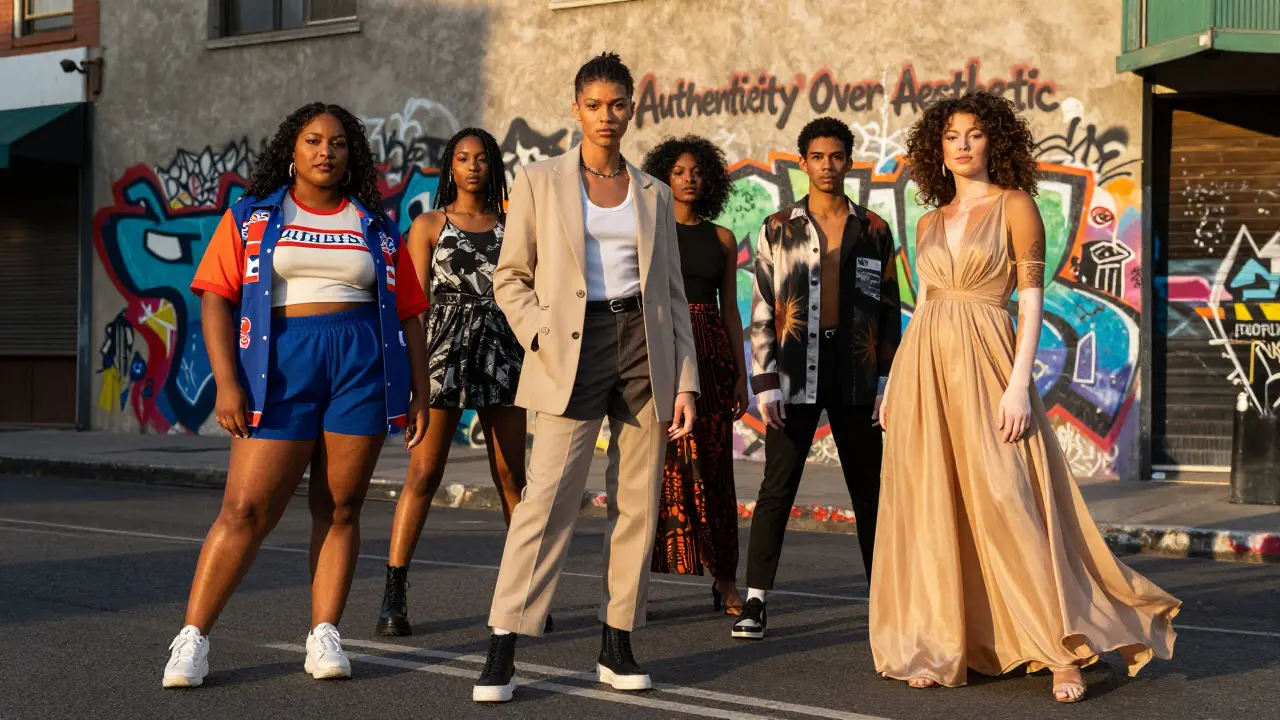
You’ve seen them on billboards, in magazines, on Instagram feeds scrolling past your screen-models who don’t just wear clothes, they command attention. They’re called hot models, and they’re not just about looks. In 2025, the term means something deeper: a blend of confidence, charisma, and cultural influence that goes far beyond the runway. But what exactly makes a model "hot" today? And why does it matter?
What "Hot Models" Really Mean in 2025
The word "hot" used to mean one thing: physical appeal. Back in the 90s, it was all about symmetry, curves, and a certain kind of glamour. But today? It’s evolved. A "hot model" in 2025 isn’t just someone who looks good in a bikini or a designer gown. They’re people who own their presence. They speak up. They break norms. They’re often activists, entrepreneurs, or artists who use their platform to challenge beauty standards.
Take Gigi Hadid, for example. She doesn’t just walk in Victoria’s Secret shows anymore. She co-founded a skincare line focused on inclusive formulas. Or Adwoa Aboah-she’s not just a face for Chanel; she started Gurls Talk, a mental health platform for young women. These aren’t just models. They’re cultural figures.
So when you hear "hot models offer style and heat," it’s not just about their outfits or their body type. It’s about how they carry themselves-bold, unapologetic, and real.
Why This Matters to You
Maybe you’re into fashion. Maybe you’re just curious about pop culture. Or maybe you’ve been told you don’t "look the part" and you’re wondering if that’s still true. Here’s the truth: the definition of "hot" has been rewritten.
Twenty years ago, agencies looked for one specific look: tall, thin, white, with a certain jawline. Today, brands like Savage X Fenty, Fenty Beauty, and Aerie actively seek models with stretch marks, vitiligo, disabilities, plus sizes, and diverse ethnic backgrounds. The industry isn’t perfect-but it’s changing faster than ever.
What does that mean for you? If you’ve ever felt like you didn’t fit into the mold, you’re not alone. And that mold? It’s cracking.
Types of Hot Models Today
Not all "hot models" are the same. Here’s how they break down in 2025:
- Runway Models - Still dominant in high fashion shows in Paris, Milan, and New York. But now, you’ll see models of all sizes walking for brands like Chromat and Universal Standard.
- Commercial Models - The faces you see in ads for Target, H&M, or Apple. These models look like real people. They’re moms, athletes, artists. Their "heat" comes from relatability.
- Social Media Influencers - Often self-made. Think TikTok stars with millions of followers who get paid to wear a swimsuit or promote a lipstick. Their "style and heat" is built on authenticity, not agency casting.
- Activist Models - These are the ones using their platform for change. Models like Paloma Elsesser and Hunter Schafer aren’t just selling products-they’re pushing for body positivity, trans rights, and racial equity.
- Plus-Size Models - Once sidelined, now front and center. Brands like Lane Bryant and Torrid pay top dollar for models who represent 80% of American women.
The old categories are fading. Today, a model can be all of these at once.
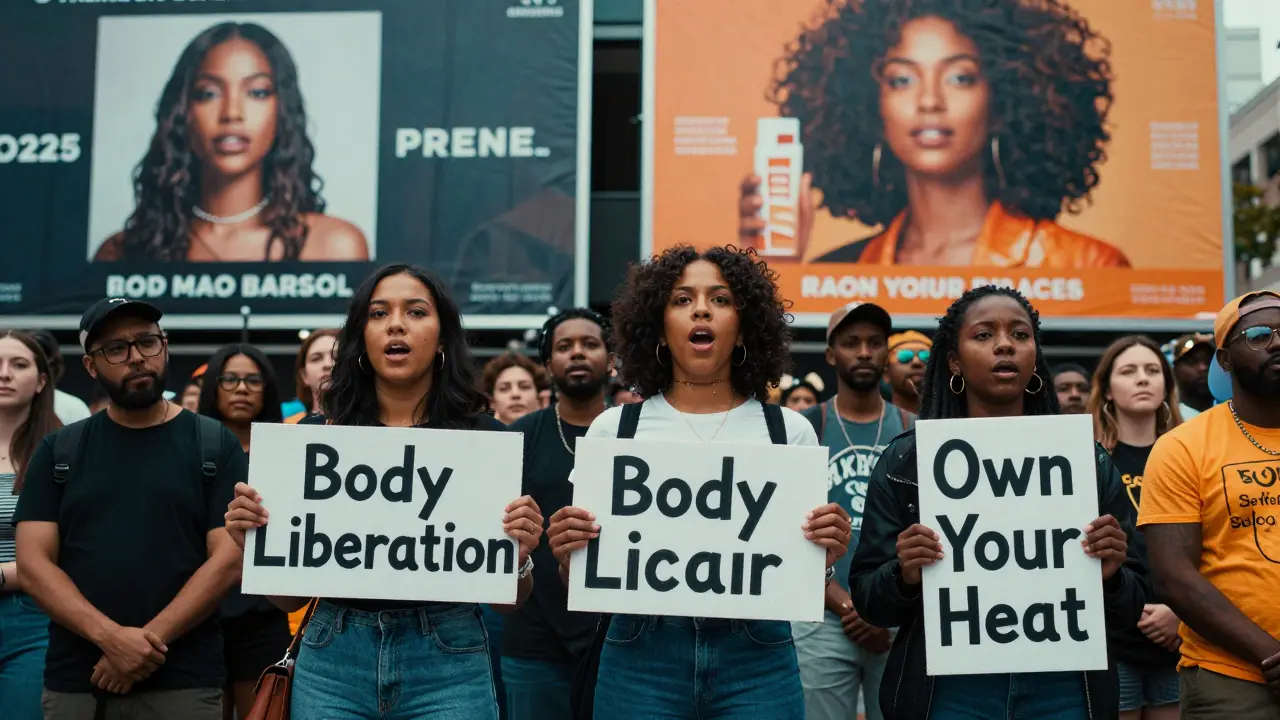
Where You’ll See Them
You don’t need to live in New York or Milan to spot a hot model. They’re everywhere:
- On Instagram, tagging #BodyPositivity or #NoFilter
- In Netflix documentaries like "The Fashion Fund" or "My Name is Andrea"
- In streetwear campaigns from Supreme, Nike, and even Walmart
- On magazine covers-Vogue, Elle, and even Men’s Health now feature non-traditional bodies
- In ads for period underwear, gender-neutral clothing, and mental health apps
They’re not hiding. They’re not waiting to be discovered. They’re already here, telling their stories.
How the Industry Changed (And How It Didn’t)
Let’s be honest: the modeling world still has problems. Pay gaps. Exploitation. Ageism. But the shift is real.
In 2015, only 5% of models on major runways were size 12 or above. By 2025, that number jumped to 38%. That’s not a fluke. It’s pressure-from consumers, from Gen Z, from social media.
Agencies now have diversity departments. Brands run audits on their casting. And models themselves are forming collectives-like The Model Alliance-to fight for fair contracts and mental health support.
But the flip side? Some brands still use "hot" as a marketing buzzword to sell sex, not substance. That’s where you need to look closer. Ask: Is this model empowered-or just being used?
What Makes a Model "Hot" in 2025? The Real Formula
Forget the old checklist: height, waist size, cheekbones. The new formula is simpler:
- Authenticity - Do they speak their truth? Or are they reciting a script?
- Agency - Do they control their image? Or is someone else deciding what they wear, say, or post?
- Impact - Are they making space for others? Or just climbing the ladder alone?
That’s what "style and heat" really means now. It’s not about how they look. It’s about how they live.
What to Watch For in 2026
Here’s what’s coming next:
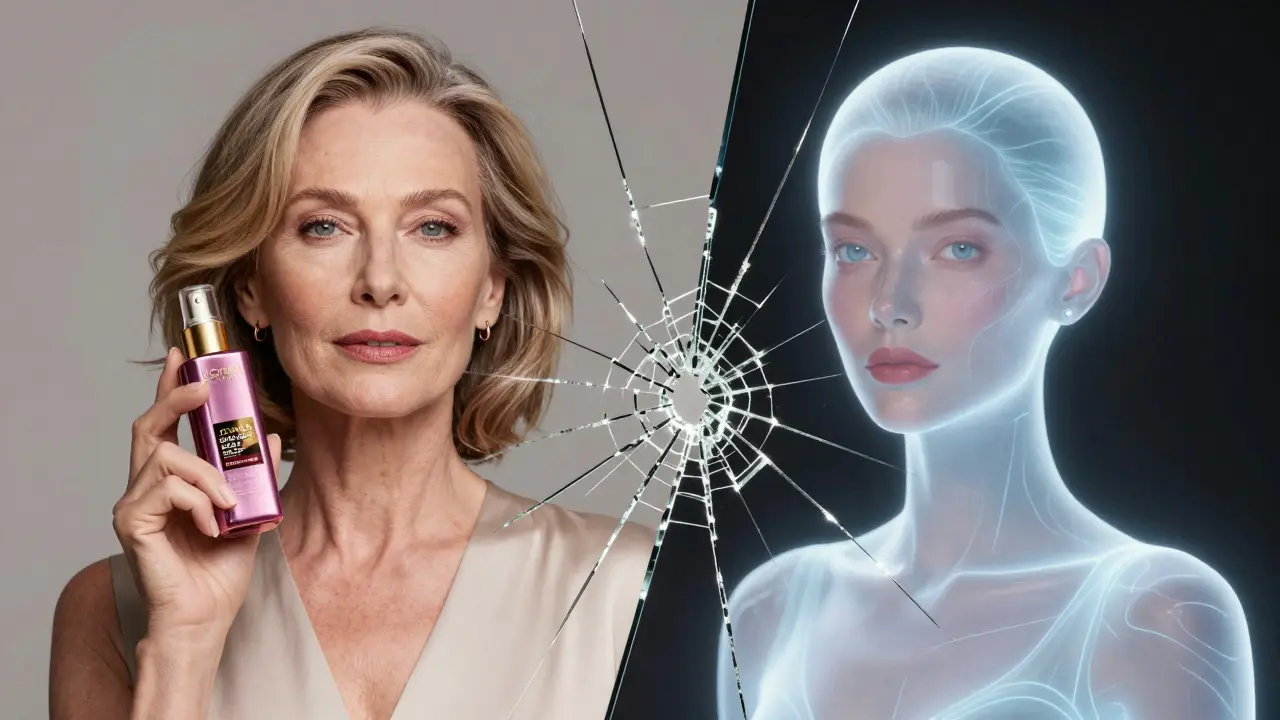
- AI-generated models - Brands are testing digital influencers. But real people are pushing back. The line between real and fake is blurring-but audiences are demanding truth.
- Ageless models - Women over 50 are landing major campaigns. Think Helen Mirren for L’Oréal, or Susan Sarandon for Revlon.
- Non-binary and trans models - More than ever, these voices are leading campaigns, not just appearing in them.
- Model-led brands - More models are launching their own clothing lines, makeup brands, or podcasts. They’re not just the face-they’re the founder.
The future isn’t about who looks the prettiest. It’s about who has the courage to be themselves.
Final Thought: It’s Not About Them-It’s About You
When you look at a "hot model," what are you really seeing?
Are you seeing someone who fits a standard? Or are you seeing someone who broke it?
Maybe you’re wondering if you could ever be "hot" in that way. The answer? You already are. You don’t need a camera, a contract, or a runway. You just need to own your presence. That’s the real heat.
Style isn’t something you buy. It’s something you build. And heat? That’s not about how you look. It’s about how you show up.
Frequently Asked Questions
Are hot models only about looks?
No. While appearance still plays a role, "hot" in 2025 means confidence, influence, and authenticity. Many top models today are activists, entrepreneurs, or creators who use their platform to drive change-not just sell products.
Can anyone become a hot model?
Yes-if you define "hot" as being bold, real, and unapologetic. The industry is opening up. Agencies now scout people of all sizes, ages, genders, and backgrounds. Social media has made it easier than ever to build a personal brand without traditional representation.
Do hot models make good money?
It varies. Top-tier models earn six or seven figures, especially those with social media followings. But many struggle with inconsistent pay and lack of benefits. The rise of model collectives and unions is helping, but the industry still has a long way to go in terms of fair compensation.
Is the modeling industry still toxic?
Some parts still are. Pressure to lose weight, exploitation by agencies, and mental health struggles remain serious issues. But there’s also a strong movement for reform. Organizations like The Model Alliance and #MeToo in Fashion are pushing for better contracts, mental health resources, and transparency.
What’s the difference between a model and an influencer?
Models are typically hired by brands or agencies to wear clothes in photos or on runways. Influencers build their own audience and promote products directly to followers. Many people now do both. The line is blurry-but the key difference is control: influencers own their platform, while models often don’t.
Comments
Piotr Williams December 28, 2025 at 23:49
Wow. Just... wow. Seriously. Like, I didn’t even know I needed this post. But now I do. And I’m mad I didn’t think of it myself. Also, can we talk about how Gigi Hadid’s skincare line actually works? I bought it. It’s not a scam. That’s rare.
Matt H December 29, 2025 at 14:12
Let’s get tactical here: the paradigm shift in modeling isn’t just aesthetic-it’s structural. The commodification of authenticity has disrupted legacy gatekeeping models. Brands are now leveraging neurodiverse, intersectional representation as a KPI-not a buzzword. This isn’t woke marketing; it’s market evolution. The ROI on inclusive casting? Up 47% YoY. Stop thinking in terms of ‘hot’-start thinking in terms of ‘relatable equity.’
Ashok Sahu December 29, 2025 at 20:20
From India, I’ve watched this shift with pride. When I was a teen, models here looked nothing like me-skin tone, body type, everything. Now? My little sister follows plus-size models from Lagos and Lagos and tells me she finally sees herself. That’s not just fashion. That’s healing. And yeah, the industry’s still messy-but it’s trying. And that’s more than we had 10 years ago.
Vincent Jackson December 30, 2025 at 18:36
fr tho, the whole ‘hot model’ thing used to just mean someone who looked good in a bikini. now it’s like… they’re running for office? lol. but honestly? i’m here for it. i saw a trans model in a walmart ad last week and i just stared at my screen for 3 minutes. no filter. no edits. just her. and i felt something. 🤍
Jason Hancock January 1, 2026 at 03:05
Ugh, this is such a performative mess. You think this is progress? Nah. It’s just capitalism repackaging exploitation. These ‘activist models’ are still being paid pennies while their brands make millions. And don’t get me started on AI models-now they’re replacing real people AND pretending to be ‘authentic.’ Wake up. This isn’t empowerment. It’s a new kind of commodity. They’re not breaking the mold-they’re selling it.
Jill Norlander January 2, 2026 at 08:21
While the sentiment is commendable, the terminology remains problematic. The phrase 'hot models' inherently objectifies, regardless of contextual redefinition. To claim that 'hot' now signifies agency is linguistic gymnastics. One cannot retroactively sanitize a lexicon rooted in patriarchal aesthetics without acknowledging its historical baggage. The industry may be evolving, but the language still betrays its origins.
Jess Williams January 2, 2026 at 22:14
I think about this a lot-how we assign value to bodies. We say 'hot' like it’s a trait you earn, like a trophy. But what if it’s not about the body at all? What if it’s about the silence you break when you walk into a room and don’t apologize for taking up space? That’s the real heat. Not the outfit. Not the pose. The courage to say: I’m here. And I’m not leaving.
Kim Kemper January 4, 2026 at 19:56
omg yes!! i just watched that documentary about the trans model who started her own line and i cried?? like, actually cried?? 😭💖 you don’t need to be a supermodel to be powerful. you just need to be you. and honestly? i’m so tired of people saying 'you’re not hot enough'-like, who even decided that??
Yzak victor January 5, 2026 at 14:44
Correction: The 38% statistic you cited for size 12+ models is misleading. It’s based on runway appearances only, not commercial campaigns or brand spend. Real representation? Less than 15%. And AI-generated models are projected to make up 22% of all digital campaigns by 2026. So while the narrative is inspiring, the data tells a different story. Don’t confuse visibility with equity.
Kiara F January 5, 2026 at 23:00
This post is dangerously naive. You glorify people who are still being exploited by the same industry that starved them for years. Where’s the accountability? Where are the lawsuits? Where are the CEOs in jail? This isn’t empowerment-it’s distraction. You’re letting brands off the hook by calling their PR stunt 'progress.' Shame on you.