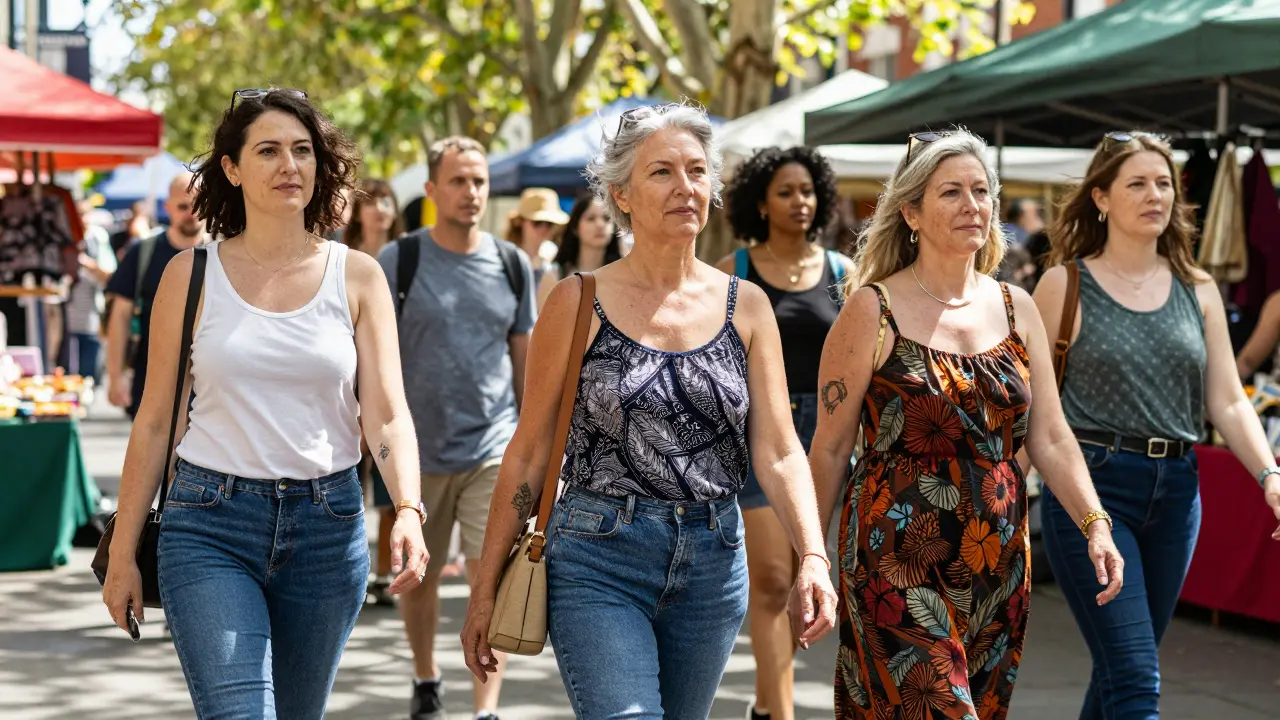
You’ve seen them on billboards, scrolling past on your feed, walking the streets of Paddington or Bondi. They’re not just faces-they’re movements. Hot models aren’t just about looks anymore. In 2026, they’re reshaping how we see beauty, confidence, and identity-not just on runways, but in everyday life.
What’s Really Going On With Hot Models Right Now?
Let’s cut through the noise. The term ‘hot models’ used to mean one thing: tall, thin, flawless skin, and a certain kind of elegance. But that’s not the story anymore. In Sydney, and across global fashion hubs, the definition has exploded. It’s no longer about fitting a mold. It’s about breaking it.
Take a walk down Oxford Street on a Saturday afternoon. You’ll see models with stretch marks, models with vitiligo, models who wear hijabs on the catwalk, models who are 5’1” and own the stage just as hard as someone who’s 6’0”. Brands like Aje, Zimmermann, and even international labels like Zara and H&M are casting real people-not just idealized versions of them.
This shift didn’t happen overnight. It came from years of pushback. From activists calling out unrealistic standards. From consumers saying, ‘I don’t look like that, so why should I buy this?’ And now, the industry is listening.
Why This Matters More Than You Think
It’s easy to think models are just there to sell clothes. But they’re also selling ideas. The kind of ideas that shape how you feel about your own body. When every magazine cover for decades showed one narrow type of beauty, it told millions of people-especially young women-that they weren’t enough.
Today’s hot models are changing that. They’re showing up as themselves. A 38-year-old model with grey hair and tattoos walking for a luxury brand. A non-binary model in a tailored suit, no makeup, natural curls. A model with Down syndrome opening a major fashion week show in Melbourne.
These aren’t gimmicks. They’re statements. And they’re working. A 2025 study by the Australian Fashion Council found that campaigns featuring diverse models saw a 42% higher engagement rate than traditional ones. People aren’t just watching-they’re connecting.
The New Types of Hot Models in Sydney (2026)
If you’re trying to understand what ‘hot’ means now, here’s what’s actually trending in Sydney’s scene:
- Age-Defiant Models - Women and men over 40, often former models or creatives, now fronting campaigns for skincare, watches, and even swimwear. Think 47-year-old Lisa Tran, who just landed a global campaign for L’Occitane.
- Body-Positive Icons - Curvy, muscular, or simply ‘unconventional’ figures who’ve built massive followings. One Sydney-based model, Jules Rivera, has over 1.2 million followers and works with Adidas and Nike.
- Cultural Representation Models - Indigenous Australian models, South Asian, African, and Pacific Islander faces who are no longer tokenized but leading major campaigns. Look for names like Kaya Mabulu and Tala Vaa’i on runways this year.
- Neurodiverse Models - Models with autism, ADHD, or other neurological differences who bring unique energy and presence to shoots. Agencies like ‘Different Faces’ in Surry Hills specialize in this.
- Hybrid Models - People who aren’t just models. They’re artists, DJs, activists, or small business owners. Their authenticity makes them more compelling than any polished portfolio.
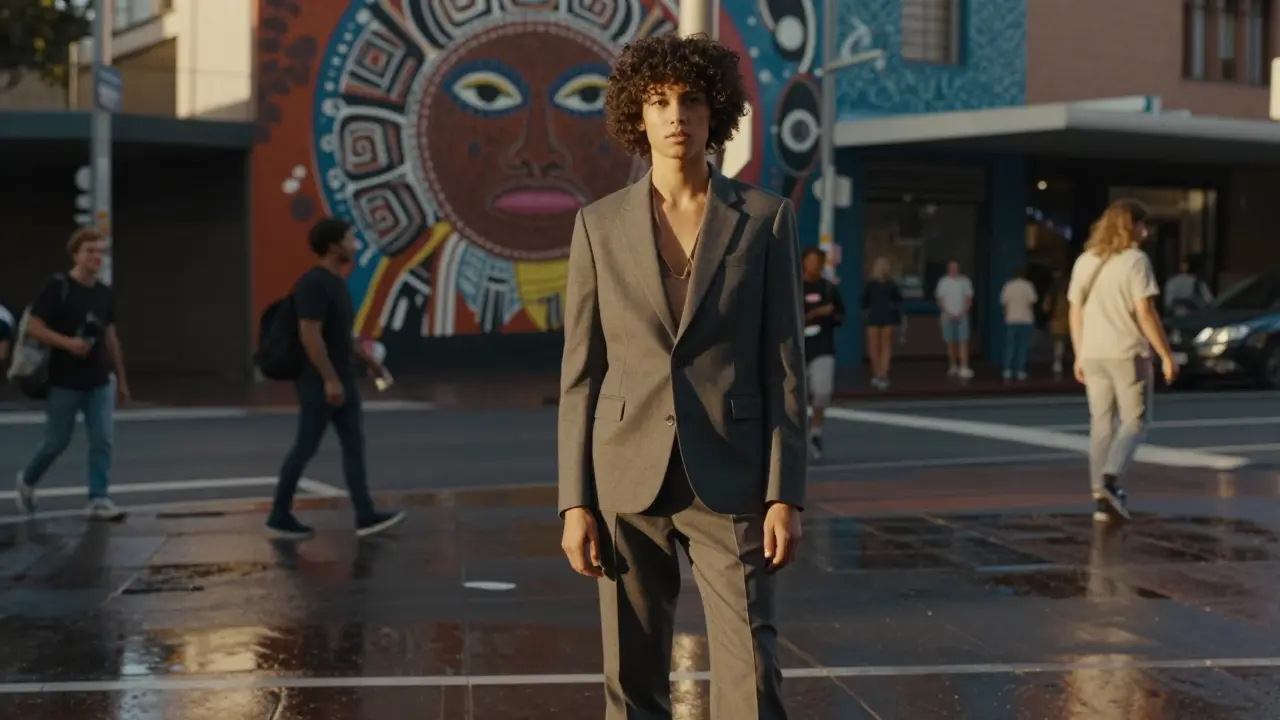
Where to Spot Them in Sydney
You don’t need to wait for Fashion Week to see these models. They’re already here, living in the city you walk through every day.
- Paddington Markets - Every Sunday, you’ll find models posing for indie photographers, wearing thrifted clothes or their own designs. It’s raw, real, and electric.
- Surry Hills Cafés - Try The Grounds of the City or The Corner Store. You’ll see models grabbing coffee between shoots, often with a sketchbook or laptop open.
- Art Galleries - Check out the MCA or the Art Gallery of NSW for pop-up exhibitions. Many models now curate their own visual art shows.
- Instagram & TikTok - Search #SydneyModels2026 or #RealBodiesSydney. These hashtags are full of unfiltered, daily content from models who refuse to be polished into oblivion.
How to Support the New Wave
It’s not enough to just admire these models from afar. You can actively help shift the industry.
- Follow diverse creators - Like, comment, share. Algorithms reward engagement. Your likes matter.
- Call out outdated casting - If a brand only uses one body type, tag them. Ask, ‘Where are the other faces?’
- Buy from inclusive brands - Support labels like Camilla, Aje, and local designers like Mimi Plange who cast real people.
- Don’t comment on bodies - Even ‘compliments’ like ‘you look amazing for your size’ reinforce harmful norms. Just say, ‘I love your style.’
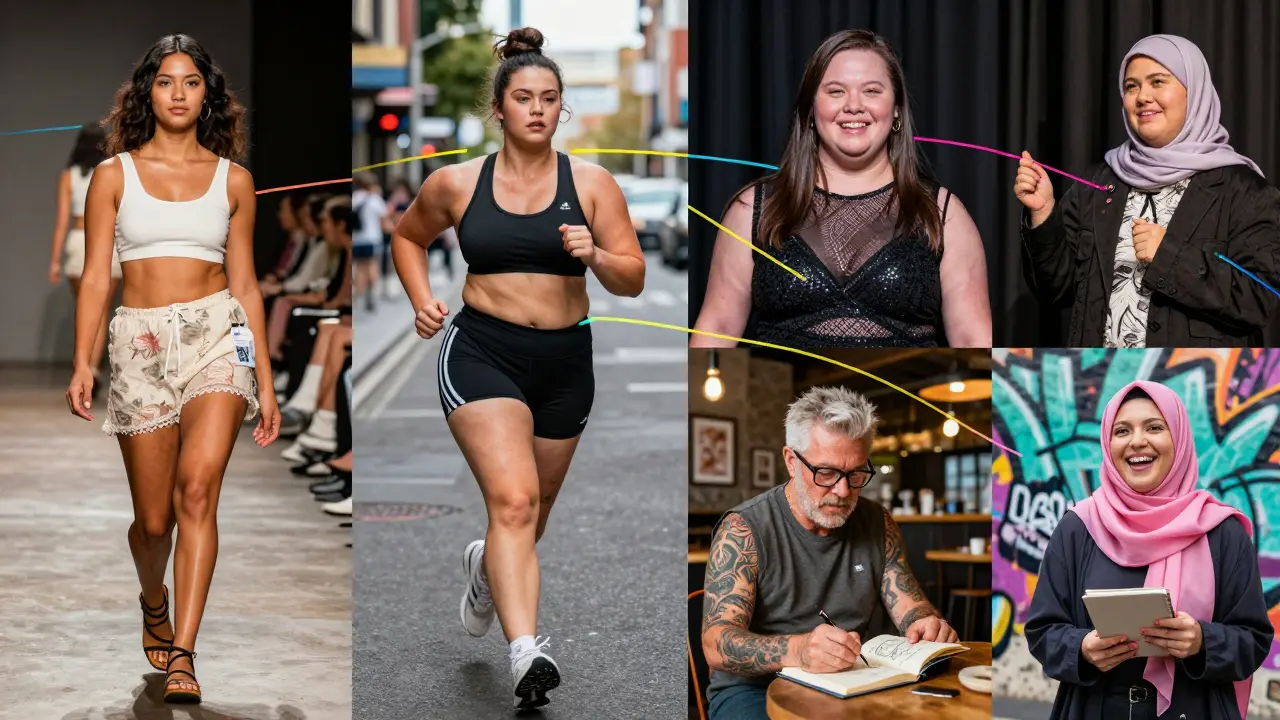
Hot Models vs. Traditional Models: The Sydney Shift
| Aspect | Traditional Models (Pre-2020) | Hot Models (2026) |
|---|---|---|
| Body Type | Extremely thin, uniform height | Diverse sizes, shapes, heights |
| Age Range | 16-25 | 18-60+ |
| Skin & Features | Flawless, airbrushed | Visible scars, freckles, stretch marks, tattoos |
| Representation | Primarily white, cisgender, able-bodied | Indigenous, LGBTQ+, disabled, multicultural |
| Platform | Magazines, billboards | Instagram, TikTok, street campaigns |
| Agency Focus | Look first, personality second | Story, voice, activism matter as much as looks |
What to Expect If You Meet One
Don’t assume they’re aloof or unapproachable. Most of the models you’ll meet in Sydney are down-to-earth. They’re students, parents, volunteers, or part-time baristas. Many still live in share houses in Newtown or rent studios in Marrickville.
They’ll talk about their latest project-maybe a photo series on aging or a campaign for inclusive period products. They might ask you about your favorite local café. They’re not posing for you. They’re living.
If you want to say something, keep it simple: ‘I saw your ad and it made me feel seen.’ That’s all it takes.
Frequently Asked Questions
Are hot models only about looks?
No. Today’s hot models are defined by their presence, voice, and authenticity-not just their appearance. Many use their platform to speak on mental health, body autonomy, or social justice. Their value isn’t in how they look, but what they stand for.
Can anyone become a hot model in 2026?
Yes-if you’re willing to be real. Agencies in Sydney like Model Co. and The Agency are actively seeking people who don’t fit the old mold. You don’t need perfect skin, a certain height, or a portfolio. You need confidence, consistency, and a story worth telling.
Why are older models suddenly everywhere?
Because consumers are older too. The average Australian is now 38. Brands realize that 50-year-olds buy more than 20-year-olds. Older models bring trust, experience, and relatability. They’re not ‘retired’-they’re reinvented.
Do hot models get paid the same as traditional ones?
Not always-but it’s changing. Top-tier diverse models now command the same rates as traditional stars. In fact, some brands pay more because their campaigns perform better. The industry is finally catching up to the fact that representation drives sales.
Is this trend just a fad?
No. This isn’t a trend-it’s a correction. The old system excluded too many people for too long. The demand for real, inclusive representation isn’t going away. It’s growing. This is the new normal.
So next time you see a model on the street-or in a magazine-don’t just notice their face. Notice their story. Because the hottest thing about them right now isn’t their skin, their hair, or their pose. It’s their truth.
Comments
Pranto Rahman January 11, 2026 at 08:56
The shift from pixel-perfect perfection to raw, unfiltered authenticity is a paradigmatic rupture in visual semiotics. We're witnessing the deconstruction of the gaze-no longer mediated by Eurocentric beauty standards, but reconstituted through intersectional corporeality. This isn't just diversity-it's epistemic disobedience in haute couture.
Agencies like Different Faces aren't just casting models-they're deploying ontological resistance. The 42% engagement spike? That's not algorithmic luck-it's the market validating lived experience as capital.
When a model with vitiligo owns a runway, she's not modeling clothing-she's modeling sovereignty. And the fact that L’Occitane signed a 47-year-old? That’s the death knell of ageist capitalism.
Real talk: if your brand still uses airbrushed 19-year-olds in 2026, you’re not selling fashion-you’re selling obsolescence.
Pranav Brahrunesh January 11, 2026 at 18:34
Everyone’s buying into this woke model narrative but nobody’s asking who’s really pulling the strings
Big fashion is just swapping one controlled image for another-now instead of thin white girls they’re using disabled queer indigenous models as marketing props to dodge lawsuits
Look at the numbers-these campaigns cost 3x more but the ROI is still lower than traditional ones if you factor in production time
They’re not changing beauty standards they’re just repackaging them with trauma porn and calling it progress
And don’t even get me started on how these so called authentic models get paid peanuts until they go viral then the brand takes 80 percent
This is corporate radical chic and we’re all just hashtags in a spreadsheet
Kara Bysterbusch January 12, 2026 at 00:01
It’s cute how people think this is revolutionary. The industry still pays the same 5% of models 90% of the money. The ‘diverse’ faces you see? They’re all from the same 3 agencies in Sydney and LA. It’s not inclusion-it’s curated tokenism with better PR.
Also-why is everyone acting like a 38-year-old model is some groundbreaking revelation? Women have been working past 30 in fashion since the 90s. It’s just that now they’re being marketed as ‘relatable’ instead of ‘past their prime’.
And don’t get me started on the ‘no comments on bodies’ rule. That’s just performative virtue signaling. People are going to notice bodies. The real issue is the lack of real economic parity beneath the hashtags.
Satpal Dagar January 12, 2026 at 10:28
Let us not confuse aesthetic pluralism with substantive transformation. The so-called ‘hot models’ of 2026 are, in fact, the latest iteration of commodified alterity-where difference is extracted, aestheticized, and monetized under the banner of ‘authenticity’.
Observe: the very same institutions that once excluded marginalized bodies now deploy them as performative signifiers to appease algorithmic sensibilities. The engagement metrics? A red herring. They reflect curiosity, not conviction.
And yet-how many of these ‘neurodiverse’ or ‘age-defiant’ models actually hold equity in the brands they promote? How many have board seats? How many control the narrative beyond the lens?
This is not liberation-it is spectacle dressed in the language of revolution. The system adapts, it does not collapse. And the consumer, ever eager for novelty, eagerly consumes the illusion of change.
Meanwhile, the real work-unionization, wage parity, anti-discrimination enforcement-remains unaddressed. The runway is glittering. The backstage? Still broken.
Aaron Lovelock January 13, 2026 at 02:48
There is no empirical evidence that diversity in modeling correlates with improved brand performance. The 42% engagement increase cited is a correlation, not causation. Engagement does not equal conversion. It does not equal loyalty.
Furthermore, the data is cherry-picked. Studies from McKinsey and Deloitte show that while diverse campaigns generate more clicks, they also generate higher bounce rates and lower average order values.
The industry is prioritizing optics over economics. This is not progress-it is ideological overreach disguised as social responsibility.
And the notion that ‘you don’t need perfect skin’ is dangerously misleading. In commercial modeling, aesthetics are a product specification-not a moral statement. To conflate the two is to misunderstand the function of advertising.
This trend will collapse under its own weight when shareholders demand ROI, not virtue signaling.
Alex Bor January 13, 2026 at 11:22
So if the old model standards were exclusionary why did it take so long for this shift to happen
Is it because social media gave people a platform or because brands finally realized older customers have more money
And what about the models who don’t fit the new mold-are they just invisible now
Also why is everyone acting like this is new when it’s been happening in indie fashion for decades
Who’s actually benefiting here the models or the brands
And why do we keep calling them ‘hot’ when the whole point is to move past that kind of judgment
It’s still about appearance just a different kind of appearance
Is this really progress or just a rebrand
Andrew Young January 14, 2026 at 08:11
They say ‘it’s not a trend it’s a correction’ but honestly it feels like the same old circus just with better hashtags 😅
Remember when we used to worship flawless skin now we worship stretch marks like they’re sacred scars 🙃
At least before the lie was simple now it’s a whole therapy session with a runway
And don’t get me started on the ‘I’m not a model I’m an artist’ thing
Bro you still get paid to stand still and look pretty
It’s still a performance
Just now you get to cry on camera and call it ‘vulnerability’
Real talk: the industry didn’t change
It just learned how to sell the same thing with more trauma
And we’re all buying it because it feels good to feel righteous
But deep down we still want the same fantasy
Just… with more diversity
And less airbrushing
And more TikTok dances
And still zero pay equity
So yeah
Progress? Maybe
But not the kind that changes anything real 🤷♂️
Jamie Farquharson January 14, 2026 at 08:30
ive seen a few of these models at the markets in paddington and honestly they’re just normal people
one girl i talked to works part time at a cafe and does shoots on weekends
she said she just wanted to be seen and now people follow her for her art not her body
so yeah
it’s not about being perfect
it’s about being real
and honestly that’s kinda beautiful
no need to overthink it
just support the people who show up as themselves
and stop judging
they’re not trying to sell you a dream
they’re just living
Graeme Edwards January 15, 2026 at 18:46
Anyone who’s actually been to Paddington Markets knows most of these ‘authentic’ models are just ex-agency girls who got dropped and rebranded as ‘body positive’
Same faces, same lighting, same filter-just now they’re calling stretch marks ‘character’ and calling it ‘real’
And don’t get me started on the ‘neurodiverse models’-half of them are neurotypical influencers with a psychology degree and a hashtag strategy
Real talk: the only people who’ve benefited are the photographers and stylists
Also-why is everyone acting like this is new? I’ve been seeing fat models in Newtown since 2014
It’s not a revolution
It’s a marketing cycle
And the ‘hot models’ of 2026? They’re just the new skinny girls
Same game
Different filter 🤷♂️